Indoor Heat vs. Your Eyes: How NYC Apartments Dry You Out Fast
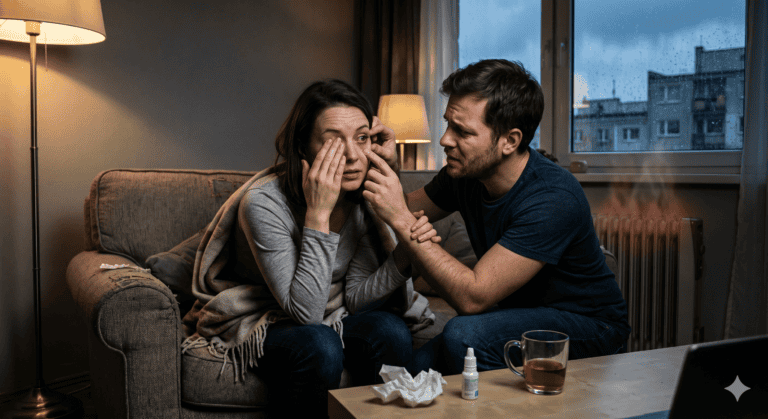
People who live in cities like New York City are more likely to have dry eyes, indoor heating, low humidity, unstable tear film, and eye irritation. When it’s cold outside and the heating systems in apartments run almost all the time, many patients start to notice mild but persistent eye discomfort. If you don’t deal with it, what seems like a small problem can quickly turn into a bigger one.
Why Indoor Heat Is Bad for Your Eyes
Indoor heating is necessary when the weather gets cold in all of New York City. These systems are meant to keep you warm, but they also change the way your home feels a lot. They can be steam radiators, forced-air systems, or space heaters.
The biggest problem? Loss of moisture.
When air is heated, it lowers the relative humidity levels in your apartment. When the air gets drier, it takes moisture from things around it, like your eyes. Your tear film, which keeps your eyes moist and comfortable, starts to dry up faster than usual.
This effect is even stronger in NYC apartments, where
In the winter, windows are often sealed shut.
The living spaces are small.
There isn’t much ventilation.
Heating systems are always on.
The end result is a perfect storm for dry eyes.
Why the Tear Film Matters and What It Is
Knowing a little bit about the tear film can help you understand how heat inside can affect your eyes. This thin layer of moisture covers the surface of your eyes and is very important for:
Keeping the surface of the eye smooth
Stopping irritation
Keeping infections at bay
Helping with clear vision
The tear film has three layers: oil, water, and mucus. The tear film becomes unstable when the environment changes, like when the humidity drops.
It doesn’t coat the eye evenly; it breaks apart too quickly. This makes more water evaporate, which leaves parts of the eye open and unprotected.
How Apartments in NYC Make It Worse
Living in a city can make dry eye symptoms worse because of the unique environmental problems it causes.
Cycles of constant heating
Many buildings in NYC have heating systems that are centrally controlled and can run at high levels for long periods of time. You might not be able to fully control the temperature or airflow, which keeps your environment dry all the time.
Not enough airflow
To save energy, many modern apartments are well-sealed. This is great for keeping heat in, but it also keeps dry air inside and stops fresh, more humid air from moving around.
Close to Sources of Heat
Because your apartment is small, you often sit, sleep, or work near radiators, vents, or heaters. Direct contact with these heat sources can speed up the evaporation of tears even more.
More time spent on screens indoors
When it’s cold outside, people tend to stay inside, which makes them spend more time on their digital devices. When you look at screens, you blink less, which makes the effects of dry air worse.
Signs You Might See
The symptoms of dry eyes caused by heating indoors can range from mild to more severe. A lot of patients say:
- A gritty or sandy feeling in the eyes
- Feeling of burning or stinging
- Redness
- Vision that is blurry or changes
- Being sensitive to light
- Tired eyes, especially after using a screen
Some people even get watery eyes, which is interesting. It may seem strange, but this is a reflex response. Your eyes are trying to make up for the dryness by making more tears, but these tears are often not very good.
The Science Behind Dry Air Inside and Eye Irritation
Environmental studies consistently demonstrate that low humidity levels enhance tear evaporation. Not only does heated indoor air take moisture out of the air, it also changes how stable the tear film is.
When the humidity goes down:
- The tear film dries out more quickly.
- Tear osmolarity rises (which makes tears thicker)
- The surface of the eye can become inflamed.
- The signs of dry eyes get worse over time.
Airflow is also important. Even small amounts of air movement from fans or vents can mess up the tear film, especially when the air is already dry.
Small Changes That Can Have a Big Impact
The good news is that small changes to your home and daily routine can make you much more comfortable.
- Put moisture back into the air
One of the best ways to deal with dry indoor heat is to use a humidifier. It helps bring back moisture and stops tears from evaporating.
For the best comfort for your eyes, keep the humidity inside between 40% and 60%.
- Change Your Position
Don’t sit right in front of heating vents or radiators if you can help it. Changing your seat a little can help you avoid direct exposure to hot, dry air.
- Blink More, Especially When You’re Looking at Screens
When you’re on a computer, tablet, or phone, make sure to blink fully and often. This helps move your tear film around and keeps your eyes moist.
- The “20-20-20 rule”
A useful tip: every 20 minutes, look at something 20 feet away for 20 seconds.
- Drink plenty of water
How much water you drink affects how many tears you make. Drinking enough water during the day is good for your eyes in general.
- Use fake tears
Eye drops that lubricate can help your tear film stay stable and give you temporary relief. They are especially helpful when you have to stay inside for a long time.
When to Get Help from a Professional
If your symptoms don’t go away after changing your environment, it might be time to see an eye care professional. Chronic dry eyes can make you more uncomfortable, but they can also hurt your vision and quality of life.
People who go to Compton Eye Associates in Manhattan often say that their dry eyes get worse in the winter. A full evaluation can help you figure out how bad your condition is and what the best treatment plan is for you.
Why This Is More Important in Winter
There is a reason why dry eye symptoms are at their worst in the winter. The temperature outside isn’t the only thing that matters; the environment inside your home is also very important.
In places like New York:
- Heating systems work all the time.
- The humidity outside is already low.
- The air inside gets even drier.
- People stay inside more often.
This combination keeps you in situations that put stress on your tear film for a long time.
A Mindset of Prevention Is Very Helpful
Taking action before your symptoms get worse can help you stay comfortable all season long. Include your indoor environment in your eye care routine.
Making small changes, like changing the humidity, limiting direct heat exposure, and being aware of how you use screens, can make a big difference.
Last Thoughts
There are many benefits to living in New York City, but heating your home in the winter can have a hidden effect on your eye health. Dry eyes aren’t just a little annoying; they can also mean that your environment is messing with your natural tear balance.
You can protect your vision and stay comfortable every day, even in the coldest months in Manhattan, by learning how indoor heat affects your eyes and making a few small changes.
Call 800-936-0036 or schedule your appointment at Compton Eye Associates in Manhattan today.