Why Contact Lenses Feel Uncomfortable in Late Summer and What Helps
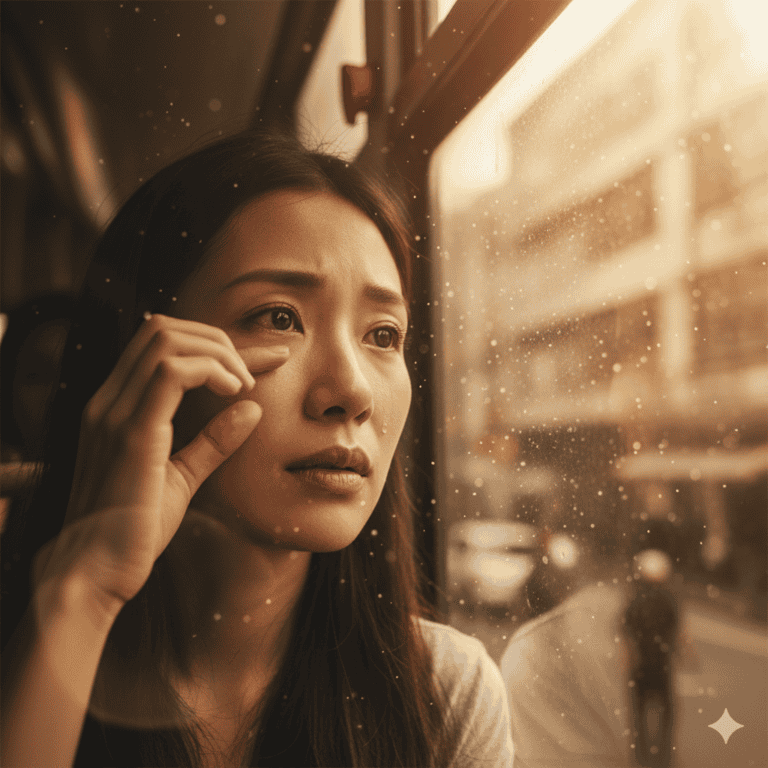
As summer comes to an end, many people complain about their contact lenses hurting, especially those who usually don’t have any problems with them at other times of the year. In late summer, a lot of people notice that their eyes feel dry, irritated, or gritty, and that these symptoms get worse as the day goes on. These symptoms are usually caused by changes in the weather rather than a sudden problem with the lenses themselves. Knowing why contact lens discomfort gets worse in late summer and what can help can make a big difference in how comfortable you are every day, especially for busy New Yorkers who have to deal with long commutes, air-conditioned offices, and outdoor activities.
The heat, dry air, allergens, and changes in lifestyle that come with late summer can all make it harder for the eye’s tear film to stay in balance. Because contact lenses sit directly on the surface of the eye, even small changes in moisture, airflow, or inflammation can be felt right away. The good news is that your eye care provider can help you deal with most of the discomfort you feel in late summer with practical, evidence-based strategies.
Why contact lenses feel bad in late summer: more tears evaporate and dry eyes.
One of the main reasons why people with contact lenses feel uncomfortable in late summer is because their tears dry up faster. When it’s hot and dry, tears dry up faster than normal. Tears are important for keeping the surface of the eye smooth, clear, and comfortable. The tear film can become unstable if they evaporate too quickly, leaving dry spots on the eye that can make it feel gritty, burn, or hurt.
Wearing contact lenses can make this problem worse. The tear film supports the lenses, and they may also soak up moisture from the eye’s surface, which throws off the balance of tears even more. If the tear film isn’t stable, lenses can feel dry, stiff, or uncomfortable, especially after wearing them for a long time. This is why some people notice that their lenses feel fine in the morning but get more uncomfortable as the day goes on.
Air conditioning and being outside in the wind
In late summer, you may have to go from being outside in the heat to being inside with air conditioning a lot. Air conditioning cools the air, but it also lowers the humidity and speeds up the flow of air, both of which make tears evaporate faster. If you sit near an air vent, fan, or car dashboard vent, a steady stream of air can flow over your eyes, drying out both the surface of your eyes and your contact lenses.
The wind outside has the same effect. The wind can dry out your eyes when you’re walking around the city, at the beach, or eating outside. In a busy place, where people are always on the go, this mix of indoor and outdoor airflow can make dryness worse all day long without anyone noticing.
Irritation from Heat and Sweat
When it’s hot outside, people naturally sweat more, and sweat can easily get into the eyes. Sweat that drips or is wiped toward the eyes can hurt and irritate the surface of the eyes. People who wear contact lenses may notice this irritation more because lenses can make sensations on the cornea stronger.
Also, wiping your face or eyes a lot makes it more likely that bacteria, sunscreen, or dirt will get into your eye. This can cause redness, burning, or a feeling of something foreign in your eye that makes contact lenses uncomfortable or even unbearable on hot summer days.
Allergens in the Environment
During late summer, there are usually more pollen, dust, and mold spores in the air. These allergens can stick to contact lenses, especially soft ones, and stay in contact with the eye for hours. This can make people with seasonal allergies itch, turn red, tear up, and swell.
Allergic inflammation makes it harder for the eyes to stay lubricated by affecting the tear film and eyelids. People who don’t usually have allergies may notice that they are more sensitive in late summer because they have been around irritants in the environment for a long time. When allergens come into contact with contact lenses, the discomfort can get worse very quickly.
Brightness and glare from UV light
Another thing that makes people uncomfortable in late summer is bright sunlight. More UV light and glare can make you squint and strain your eyes, which can make the dryness or irritation feel worse. Squinting changes the normal pattern of blinking, and not blinking all the way stops tears from spreading evenly across the eye.
People who wear contact lenses may not blink as much, which means their lenses may not stay evenly hydrated. This can cause your vision to change and make you uncomfortable over time, especially if you spend a lot of time outside without good eye protection.
What Helps: Useful Tips for Making Contact Lenses More Comfortable Drops for lubricating (rewetting)
One of the easiest and best ways to get rid of dryness is to use lubricating drops that work with contact lenses. These drops help keep the tear film stable, add moisture, and reduce irritation during the day. Using them before the pain gets bad, instead of waiting for it to get worse, usually works better.
Drink plenty of water
Drinking enough water is very important for making tears. Drinking enough water helps the body keep the right amount and quality of tears. In late summer, sweating more and being in the sun more can cause mild dehydration. This can first show up as dry or irritated eyes. Keeping your body hydrated is a simple but important way to make sure your contact lenses are comfortable.
Put on UV-Blocking Sunglasses
Sunglasses that block UV rays have more than one use. They cut down on glare, shield the eyes from harmful UV rays, and keep air from flowing too freely across the eye surface. Sunglasses keep moisture in and make it easier to see by blocking wind and bright light. This makes contact lenses feel better when you’re outside.
Limit Direct Air Exposure
Paying attention to airflow can make a big difference. You can help keep your tears from evaporating by moving air vents away from your face, not sitting directly under fans, and using a humidifier indoors. People often forget about small changes to the environment, but they can make a big difference in how comfortable you are during long workdays.
Pick the Right Contact Lenses
Not all contact lenses work the same way when the air is dry. Some materials keep moisture better and let more oxygen get to the eye, which makes them more comfortable to wear for longer periods of time. Daily disposable lenses or lenses made for dry eyes may be especially helpful in late summer, when the weather is harsher on the eyes.
An eye care professional can tell you if the lenses you are currently wearing are the best choice for your lifestyle and the health of your eyes.
Take breaks and cut down on the time you wear them.
Taking a break from looking at things can stop minor irritation from becoming a long-term problem. Wearing glasses for part of the day, especially at night, gives the eyes a chance to rest and rehydrate. This is especially helpful on really hot days or after spending a lot of time in air-conditioned rooms using screens.
Replace and clean lenses Rightly
Summer activities can make protein, oil, and dirt build up on contact lenses. Cleaning your lenses properly and replacing them on time lowers the risk of irritation and infection. During the late summer, when the eyes are already under stress from the environment, even small mistakes in lens hygiene can become more obvious.
Think about warm compresses
Warm compresses can help make your tears healthier by making the oil-producing glands on your eyelids work better. Better oil flow slows down the evaporation of tears, which makes lubrication more stable. Adding warm compresses to your evening routine may make you more comfortable over time.
When to Go to an Eye Care Professional
It’s normal to feel dry or slightly irritated in late summer, but some symptoms should not be ignored. If you have persistent pain, a lot of redness, blurry vision, light sensitivity, or discharge, you should see a doctor right away. If you keep having problems with your contact lenses that don’t get better with simple fixes, it could be because of dry eye disease, lens fit problems, or another underlying condition.
Patients in New York City often have to deal with busy schedules and tough weather, so it’s especially important for them to get regular eye care. A full eye exam can find out what’s causing your discomfort and help you find solutions that work for your lifestyle.
Late summer is the worst time for contact lens discomfort because the heat, dry air, allergens, air conditioning, and more UV rays all dry out and irritate the eyes. Many patients can stay comfortable all season long by knowing these things and taking steps to protect themselves, like using lubricating drops, drinking enough water, wearing sunglasses, and picking the right lenses. A personalized evaluation can make a big difference in eye health and comfort if symptoms don’t go away.
If you want expert advice and personalized care, you might want to make an appointment with Compton Eye Associates, which proudly serves patients all over Manhattan.
Call 800-936-0036 or make an appointment at Compton Eye Associates in Manhattan today.
Late-Summer Contact Lens Discomfort: FAQs
1. Why do my contact lenses hurt more in late summer?
Late summer heat, low humidity, wind, and air conditioning make tears evaporate faster. This dries the eye surface and makes contact lenses feel gritty, stiff, or irritated as the day goes on.
2. Do allergies make contact lenses feel worse in late summer?
They do. Pollen, dust, and mold stick to lenses and trigger itching, redness, and swelling. This inflammation disrupts the tear film and increases discomfort.
3. When should I see an eye doctor about contact lens pain?
See a professional if you have ongoing pain, redness, blurry vision, light sensitivity, or discharge. An exam can check for dry eye, lens fit issues, or allergies. Patients can get personalized care at Compton Eye Associates.