When It’s Time to Switch from Contacts to Glasses or Vice Versa
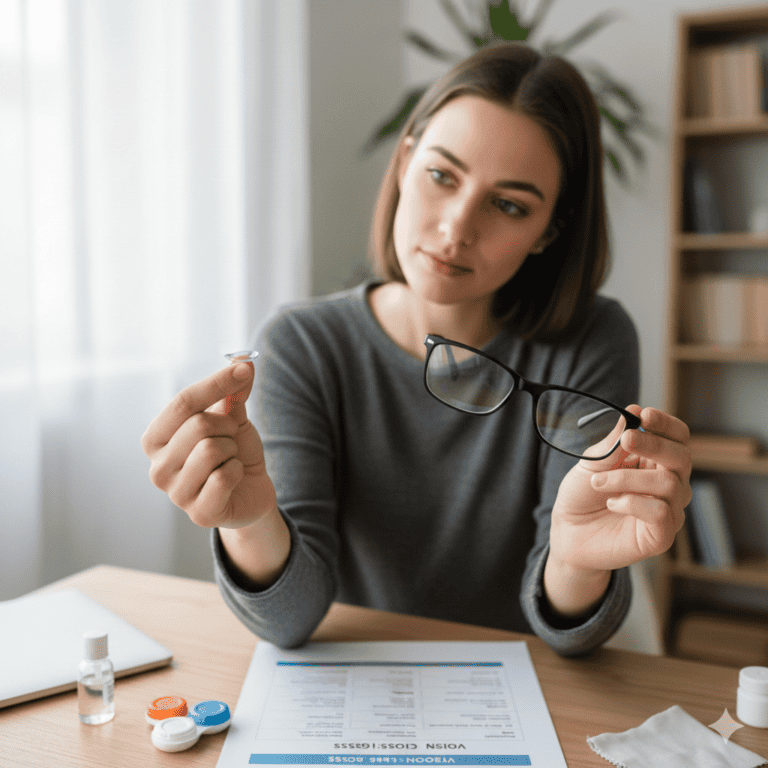
Many patients have to choose between contacts and glasses at different points in their lives. Comfort, eye health, daily routines, work demands, and personal style are all important. Some people only wear glasses, while others only wear contact lenses. Many people find that switching between the two works best for them. Knowing when and why you might need to switch can help keep your eyes healthy and make them feel better every day, which is especially important for busy people in New York City.
We’ll talk about the health and practical reasons why people choose glasses or contacts, signs that it might be time to switch, and why the best long-term solution is often to use both.
Why People Wear Contacts or Glasses
Glasses and contact lenses are both good ways to fix your vision, but they are better for different people depending on their lifestyle, comfort, and eye health.
Why People Like Glasses
Glasses are still one of the most common ways to fix vision, and there’s a good reason for that. They are easy to use, dependable, and don’t take much work each day.
One big plus of glasses is that they don’t need much care. They are simple to put on and take off, easy to clean, and don’t touch the surface of your eye directly. This simplicity can be a big plus for patients who want a routine that doesn’t require a lot of work.
Glasses also protect your eyes from physical harm. They keep dust, wind, and debris from getting in, which is especially helpful when walking or commuting through busy New York City streets.
People who spend a lot of time on digital devices may find that glasses are more comfortable for long periods of time. Wearing contact lenses for a long time can sometimes make dryness worse, but wearing glasses can help with digital eye strain.
A lower risk of eye infection is another important benefit. Glasses don’t sit directly on the eye, so they don’t have to worry about many of the hygiene issues that come with contact lenses.
Why Many Patients Like Contacts
There are some situations and lifestyles where contact lenses are better than others.
A natural field of view is one of the best things about it. Contacts move with your eyes and don’t block or distort your vision at the edges, which makes your peripheral vision clearer. Also, they don’t get foggy or wet in the rain, which is something that people who wear glasses often have trouble with.
Contacts are very popular with people who play sports and are active. They won’t slip, bounce, or break while you’re working out, playing sports, or doing other outdoor activities.
A lot of patients also like contacts for how they look. Contacts don’t get in the way of fashion choices or sunglasses because they are almost invisible. This lets patients keep their natural look.
When to Change from Contacts to Glasses
You might like wearing contacts, but there are times when your eyes will be better off with glasses.
Dryness or pain in the eyes
Some of the most common reasons people stop wearing contacts, at least for a while, are dry, irritated, or tired eyes. Long periods of time in front of screens, air conditioning, or dry air inside can all make contact lens discomfort worse. When you switch to glasses, your eyes can stay hydrated and heal from irritation.
Flare-Ups of Illness or Allergies
Your eyes may be more sensitive during allergy season or when you have a cold, sinus infection, or other illness. Contacts can hold allergens or irritants against the surface of the eye, making it more uncomfortable and increasing the risk of infection. Glasses keep your eyes from coming into direct contact with things, which helps them heal more comfortably.
Signs of an infection or ongoing irritation
If your eyes are red, leaking, hurting, sensitive to light, or blurry, it’s time to take a break from wearing contact lenses. Wearing contacts while you have these symptoms can make the irritation worse or slow down the healing process. While your eyes heal, glasses are a safer option.
Wearing contacts too much or not properly
Wearing contacts for longer than recommended or sleeping in lenses that aren’t meant for overnight use can greatly raise the risk of corneal infections. If you notice that you wear your contacts too often, switching to glasses more often may help keep your eyes healthy.
When to Wear Contacts Instead of Glasses
– But there are many times when contacts might be the better choice.
-
Days of Activity and Sports
Contacts can give you more freedom and stability if you do a lot of moving around, like exercising, playing sports, or just being active. Unlike glasses, they won’t move around while you work out or get in the way of your performance.
-
Convenience Based on the Weather
Glasses can be hard to wear when it’s raining, humid, or cold. Foggy lenses and water droplets can make it hard to see, but contacts stay clear no matter what the weather is like in New York City.
-
Wanting to see more of the world around you
Contact lenses fit the shape of your eye, so they give you a wider and more natural view than glasses. This can be very useful for driving, playing sports, or any other activity that needs you to be aware of what’s going on around you.
Alternating Between Glasses and Contacts: The Benefits
For a lot of people, the best answer isn’t to pick one over the other; it’s to use both.
You can still enjoy the benefits of both glasses and contacts by switching between the two. Wear glasses at home, while using a computer, or when you’re sick. You might also wear contacts for social events, exercise, or special occasions.
This flexibility can make you more comfortable, keep your eyes from getting dry, and lower the risk of problems with contact lenses. Having both options helps a lot of patients keep their eyes healthy in the long term and lets them change their daily routine more easily.
Why Getting Professional Help Is Important
It’s a good idea to talk to an eye care professional if you’re thinking about switching from glasses to contacts or the other way around. If your comfort, vision clarity, or eye health changes, you may need to get a new prescription or a different type of lens.
An eye exam can help you find out if your current correction is still right for you and if newer lens materials or coatings might work better for your lifestyle. People in New York should get regular eye exams because they use screens a lot, live in a city with a lot of pollution, and have busy lives that can strain their eyes.
Your eye doctor can also help you make a plan that includes both glasses and contacts so that your vision stays clear and your eyes stay healthy over time.
Last thoughts on contacts and glasses
Choosing between contacts and glasses is not a simple choice. When comfort, eye protection, and ease of use are important, glasses are usually the best choice. Contacts are better for active days, special events, and times when peripheral vision is most important. A lot of patients find that switching between the two helps them meet their daily needs and long-term eye health goals.
Professional help can make all the difference if you’re in pain, seeing changes in your vision, or just thinking about what you need in life.
Call 800-936-0036 or schedule your appointment at Compton Eye Associates in Manhattan today.
Frequently Asked Questions: When It’s Time to Switch from Contacts to Glasses or Vice Versa
- When should I switch from contact lenses to glasses?
You should switch to glasses if your eyes feel dry, irritated, red, or tired. Glasses also work better during allergy flare-ups, illness, or if you spend long hours on screens. - Is it okay to alternate between glasses and contacts?
Yes. Many patients alternate between both. Wearing glasses part of the time helps reduce dryness and lowers the risk of contact lens irritation or infection. - Can wearing contacts too much harm my eyes?
Yes. Overwearing contacts or sleeping in lenses not approved for overnight use increases the risk of eye infections. Using glasses more often gives your eyes time to recover. - Do I need an eye exam before switching between glasses and contacts?
Yes. An eye exam ensures your prescription is accurate and your eyes are healthy. An eye doctor can also recommend lens options that fit your lifestyle.