How Eye Exams Have Changed: From Eye Charts to High-Tech Imaging
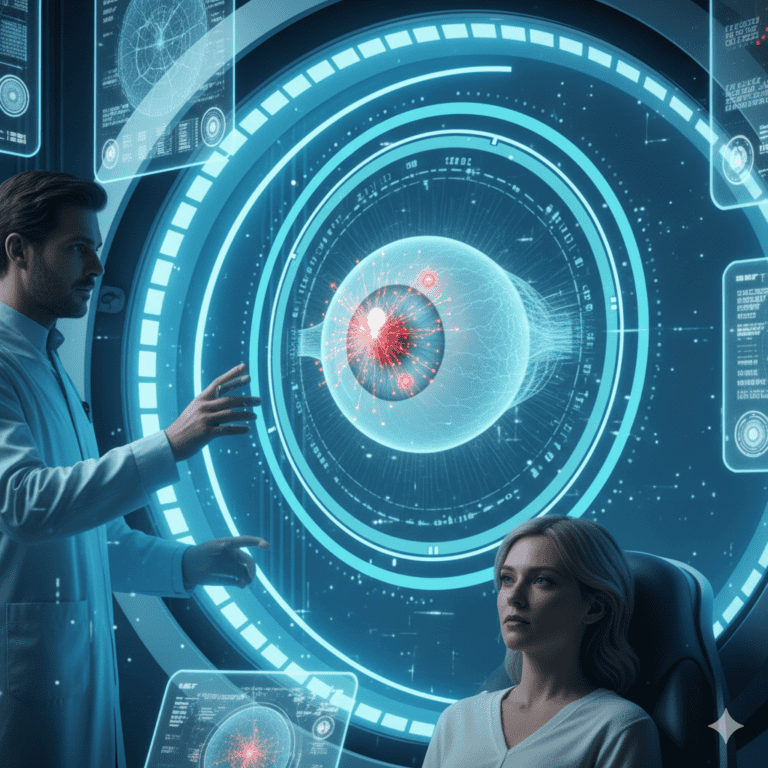
A lot has changed in eye health exams since many patients last had one. While eye charts, visual acuity tests, and basic refraction are still used, modern eye care now uses advanced imaging, digital diagnostics, and high-resolution technology. To give a more complete picture of eye health. These changes have reshaped the eye health exam into a comprehensive medical evaluation. Advanced testing can now detect early-stage eye diseases and related health concerns. For patients all over New York City, these improvements mean that eye problems can be found earlier. Care can be more tailored to each person. Then people can feel better about their long-term eye health.
The Basics: Eye Charts and Testing Vision Early
For many years, the eye chart was a symbol of the eye exam. Early tests of visual acuity were mostly about seeing letters or symbols clearly from a certain distance. This method set a standard for determining vision correction needs. It also helped detect refractive errors like nearsightedness, farsightedness, and astigmatism.
These charts looked simple, but they were very important for doctors. Over time, improvements in chart design made them more standardized and accurate. This led to formats that are still used today. Visual acuity testing is still a key part of every eye health exam because it gives important information about how the visual system works in everyday life. But visual clarity alone doesn’t tell the whole story of eye health, which is why eye exams started to change from charts.
Making the Comprehensive Eye Health Exam bigger
As eye care got better, doctors realized that it was important to check not only how well patients could see, but also how healthy their eyes really were. The comprehensive eye exam became a structured test that looks at many different parts of vision and the anatomy of the eye.
Modern comprehensive exams check things like visual acuity, the function of the eye muscles, peripheral vision, the front of the eye with a slit lamp, and the retina and optic nerve in great detail. These parts work together to give a complete picture of eye health. The eye health exam evolved from a singular focus on vision correction to a comprehensive medical assessment that can detect ocular diseases, monitor chronic conditions, and inform preventive care strategies.
This change was especially important because the population was getting older and diseases like glaucoma, macular degeneration, and diabetic eye disease were becoming more common. Comprehensive exams helped eye doctors find early signs of disease before symptoms became obvious, which had a big effect on how well patients did.
The Imaging Revolution in Eye Care
The use of advanced imaging technologies is one of the biggest changes to the eye health exam. Imaging lets eye doctors see structures that were too small to see during a regular visit.
Optical coherence tomography, or OCT, is a big step forward in this process. OCT gives you high-resolution, cross-sectional pictures of the retina and optic nerve that show tiny details with amazing clarity. This technology lets doctors see structural changes linked to glaucoma, macular degeneration, and retinal disorders long before they affect vision.
The increasing use of OCT is part of a larger trend in eye care toward objective, data-driven tests. Imaging is now a key part of many eye health exams because it makes diagnoses more accurate and allows for close monitoring over time. This means that patients can see small changes from visit to visit, which helps with proactive care instead of reactive treatment.
From observation to exact diagnosis
Before advanced imaging, eye doctors had to rely on special lenses to see things clearly. These methods worked, but they relied a lot on clinical experience and personal judgment. High-tech imaging has made eye health exams more accurate by giving them measurable numbers and results that can be repeated.
Imaging technologies now allow for in-depth study of the thickness of the optic nerve, the layers of the retina, and the patterns of blood vessels. These insights help doctors tell the difference between normal changes that happen with age and the start of disease processes. As imaging technology improved, eye exams became more standardized and less dependent on differences between examiners.
This level of accuracy is especially useful in busy cities, where patients expect quick but thorough care. Advanced imaging makes the exam process faster and gives doctors more confidence in their diagnoses, which is good for both patients and doctors.
New ways to measure visual acuity
Imaging has changed how doctors check the inside of the eye, but visual acuity testing has also changed. Digital and adaptive tools that are meant to make charts more accurate and easier to use are becoming more common in offices.
There are new ways to test acuity, such as self-administered and near-vision charts that can be used in different settings and for different patients. These new ideas are part of a bigger trend toward more flexible eye care. In-office testing is still the best way to go, but new tools show how eye health exams are changing to fit modern lifestyles without losing their accuracy.
Advanced Imaging Beyond OCT
Not only is OCT changing the way eye exams are done. Adaptive optics imaging is another big step forward because it lets us see the eye at the cellular level. This technology gives us more detailed images of retinal structures than ever before by fixing optical flaws in real time.
These kinds of improvements show how the eye health exam is becoming more in line with the latest research. High-resolution imaging helps close the gap between clinical practice and scientific discovery. This speeds up the process of bringing new ideas from the lab to patient care. These technologies affect how doctors understand how diseases progress and how well treatments work, even though they aren’t used in every routine exam.
The Eye as a Window to Your Overall Health
As imaging technologies advance, the significance of the eye health examination continues to grow. Detailed imaging of the retina has shown links between eye health and overall health. Blood vessels and neural tissues observable in the eye can indicate more extensive physiological alterations occurring in other regions of the body.
This changing point of view shows how important it is for everyone to have regular eye exams, even those who think their vision is stable. Eye health exams are no longer just about giving people glasses or contact lenses; they are now a necessary part of full health care. In New York City, where people can easily get advanced medical care, modern eye exams are an important part of keeping people healthy.
What This Means for Patients Right Now
The switch from eye charts to high-tech imaging shows a bigger commitment to putting patients first. This eye health exam is meant to be thorough, quick, and helpful. Patients benefit from earlier disease detection, more accurate diagnoses, and monitoring plans that are tailored to their needs.
These improvements mean better care at practices that serve Manhattan and the rest of New York City. Patients can expect their eye exams to use both tried-and-true methods and the newest diagnostic tools. This will make sure that the exams are both consistent and new.
What Will Happen Next: The Future of Eye Health Exams
Eye exams are still changing. Imaging technology keeps getting better. When it works with digital records and analytical tools, it will be even more accurate in the future. The goal of eye care will always be the same. Protect vision and support overall health by finding problems early and making smart clinical decisions.
The progress of eye care is shown by the difference between simple eye charts and advanced imaging. Modern eye exams are the result of decades of research, new technology, and clinical experience. They are all working together just to give patients the best care possible.
Call 800-936-0036 or schedule your appointment at Compton Eye Associates in Manhattan today.
Frequently Asked Questions: How Eye Exams Have Changed: From Eye Charts to High-Tech Imaging
- How are modern eye exams different from older eye exams?
Modern eye exams go beyond reading an eye chart. They include digital testing and high-resolution imaging that checks eye structures and eye health. This helps doctors find problems earlier.
- Are eye charts still used during eye exams today?
Yes, eye charts are still used to test visual acuity. They help measure how clearly you see. However, they are now combined with advanced tools for a full eye health exam.
- Can an eye exam detect health problems beyond vision issues?
Yes, modern eye exams can reveal signs of diabetes, high blood pressure, and neurological conditions. The eye offers a clear view of blood vessels and nerve tissue.