Back-to-School Eye Exams: The First Step in Slowing Childhood Myopia
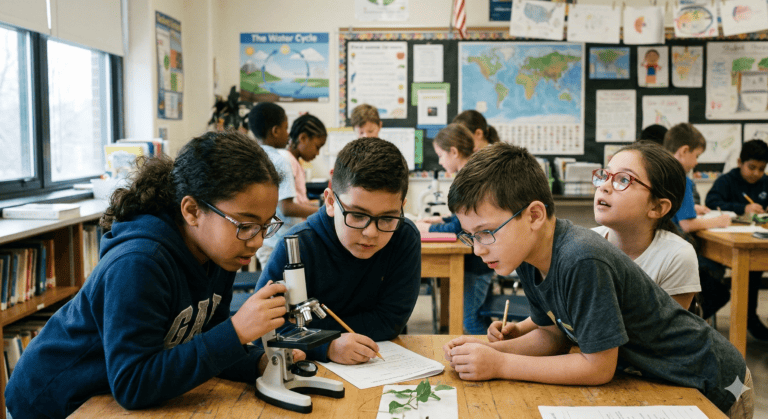
As the start of a new school year gets closer, a lot of families are thinking about school supplies, schedules, and getting their kids ready to do well in school. A full eye exam is one of the most important things you can do to get ready to learn, but most people don’t think about it. Families and teachers are becoming more and more worried about the rising rates of myopia in kids, which is also known as childhood nearsightedness. Many kids, especially those who live in cities with a lot of people, are getting myopia earlier than ever because they spend more time in front of screens, read a lot, and don’t spend as much time outside. Protecting a child’s long-term vision involves getting them eye exams early, having their vision checked at school, teaching them good visual habits, and being aware of the risk factors for childhood myopia.
Back-to-school eye exams are a great way to find out about changes in vision early on, figure out what might be causing them, and start using strategies that can slow the progression of myopia before it has a big impact on a child’s eyesight.
Why Myopia in Kids Is Getting Worse
Myopia happens when the eye gets too long from front to back or when the cornea bends light too much. Because of this, things that are far away look blurry, but things that are close up look clear. Myopia has always been around, but studies show that it is becoming more common in kids all over the world.
There are a number of reasons why more and more kids are getting myopia:
- More work that requires looking up close, like reading, doing homework, and using screens
- Less time spent outside
- Genetic predisposition when one or both parents have myopia
- Very focused academic settings
Kids who live in big cities often have to deal with these risk factors more than kids who live in smaller towns. Students in cities often spend a lot of time inside studying or using digital devices. They may not be able to play outside as much because their schedules are too full or they don’t have access to open space. Because of this, eye care professionals are seeing myopia start earlier and get worse faster in kids who are in school. This means that early intervention is more important than ever.
The Important Time: The First Years of School
The change from kindergarten to elementary school is an important step in a child’s visual development. At this point, schoolwork becomes much harder, and kids start spending more time reading, writing, and looking at things that are close to them.
Studies tracking children through this transition indicate that myopia frequently commences in the early school years. If nearsightedness isn’t watched and treated properly, it can get worse very quickly.
This is why it’s so important to get your eyes checked before school starts. An eye care provider can do the following with a full exam:
- Find changes in refraction early
- Set up a baseline prescription
- Find kids who are more likely to get worse myopia
- Give advice on how to take care of your eyes.
Early monitoring is especially helpful for kids where schoolwork can be hard and kids use a lot of digital devices.
Why Vision Screenings by Themselves Aren’t Enough
A lot of schools do vision screenings, which can help find obvious vision problems. But screenings don’t take the place of a full eye exam.
Most of the time, screenings check to see if a child can read letters on a chart from a distance. This can help find some vision problems, but it might not catch early signs of myopia progression or other eye problems.
A full pediatric eye exam includes a much more thorough checkup. Eye doctors check:
Refractive error, which includes nearsightedness, farsightedness, and astigmatism
The ability to align and focus your eyes
Health of the eyes and internal structures
Things that make myopia worse
With the help of new technologies and predictive tools, doctors can sometimes spot early signs that a child may develop severe myopia later on. Families can take action before vision problems get worse if they find these risks early.
How Technology Helps Find Problems Early
New developments in medical imaging and artificial intelligence are making it easier for doctors to find and predict childhood myopia. Researchers are looking into tools that can look at retinal images and refractive data to figure out how likely it is that a child will develop high myopia.
These technologies are meant to help find kids who might need more attention or early help. These tools are still being developed, but they make an important point: the sooner myopia risk is found, the more chances doctors have to slow its growth.
Routine eye exams are still the first and easiest step in this process.
Things Parents Should Know About Risks
Parents are very important for finding and treating myopia risk. A number of genetic and environmental factors are linked to the faster development of myopia.
Family History
If one or both parents have myopia, the chances of their child getting it go up. Genetics can affect how the eye grows and how it reacts to stress from the outside world.
Extended Close Work
Reading, studying, or using digital devices for long periods of time can make the eyes work hard to stay focused all the time. Over time, this could make myopia worse.
Little time outside
It seems that kids who don’t spend as much time outside are more likely to get myopia. Exposure to outdoor light and changes in visual distance may help the eyes grow and develop properly.
Time spent on screens
Tablets, smartphones, and computers are now common tools for both school and fun. These tools are helpful, but looking at them closely for a long time without taking breaks can make your eyes hurt more.
Parents should pay attention to these things, especially if they see their kids squinting, sitting too close to screens, or complaining about blurry distance vision.
How Eye Exams at a Young Age Can Help Slow Myopia Progression
Finding out about myopia early gives you access to management strategies that might slow its progression. Traditional glasses fix vision, but modern myopia management methods try to stop the condition from getting worse.
Eye care professionals may suggest the following based on the child’s age and risk factors:
Regular eye exams to keep an eye on things
Changes to your lifestyle, like spending more time outside,
Screen breaks and structured visual habits
Specialty glasses or contact lenses made to help with myopia
Medical treatments when they are needed
The goal is not only to help a child see better today, but also to lower the chances of them getting high myopia later in life.
High levels of myopia can make some eye problems more likely to happen in adulthood, so it’s important to take care of your eyes early on to keep them healthy for life.
Helping Students Develop Healthy Visual Habits
During the school year, parents and teachers can help protect kids’ eyesight by encouraging good visual habits.
Here are a few simple things you can do to make a big difference:
Play outside more.
Being outside gives your eyes a break from working up close and helps them grow naturally.
Follow the rule of 20-20-20.
Every 20 minutes, tell kids to look at something at least 20 feet away for 20 seconds.
Keep the right distance from the book.
When you can, hold books and devices about an arm’s length away.
Make sure the light is good.
When reading or doing homework, good lighting makes it easier on the eyes.
Set up regular eye exams.
Doctors can keep an eye on changes in vision and change treatment if necessary during regular visits.
These habits are especially useful for students who have to deal with the busy school environment in New York City.
When to Get Your Child’s Eyes Checked
A lot of kids with early myopia don’t know that their vision is getting worse. Before a child complains, parents and teachers may notice small signs.
Some common signs are:
Squinting when looking at things far away
Sitting really close to the screen or TV
Having trouble seeing the board in class
Headaches that happen a lot after reading
Holding books very close
Regular eye exams are still a good idea, even if a child doesn’t show any obvious signs. Changes in vision can happen slowly and may only be found during a full exam.
Why Back-to-School Is the Best Time
Making an appointment for an eye exam before school starts helps make sure that kids can see clearly when they start class. Students are better able to focus, read, and fully participate in class when their vision problems are fixed early.
Eye exams before school starts also set a baseline that lets doctors keep an eye on small changes over time. This is especially important for kids who already have myopia or are more likely to get it.
In a busy place where kids spend a lot of time on screens for both school and fun, taking care of their eyes ahead of time can make a big difference.
Having clear vision helps with schoolwork, self-esteem, and overall health.
A Simple Step to Keep Your Vision Safe for Life
Myopia in children is becoming more common, but catching it early can help slow its progress. Doctors can find risk factors, teach families about healthy visual habits, and start management plans when needed with thorough eye exams.
The start of school is a great time to remember to put your child’s eye health first. Parents can help protect their child’s eyesight during these important years of growth by making sure they get regular eye exams and encouraging them to have good visual habits.
Call 800-936-0036 or schedule your appointment at Compton Eye Associates in Manhattan today.
Frequently Asked Questions: Back-to-School Eye Exams: The First Step in Slowing Childhood Myopia
- Why are back-to-school eye exams important for children?
Back-to-school eye exams help detect vision changes before school begins. Clear vision supports reading, learning, and classroom focus. Eye doctors can identify early signs of myopia and create a baseline prescription. Early detection allows families to start strategies that may slow myopia progression.
- What increases a child’s risk of developing myopia?
Several factors can increase myopia risk in children. Genetics plays a role when one or both parents are nearsighted. Long periods of reading or screen use can strain the eyes. Limited outdoor time also raises risk. These factors often combine in busy school environments.
- Can myopia progression in kids be slowed?
Yes, early management can help slow myopia progression. Eye doctors may recommend regular exams, outdoor activity, and structured screen breaks. Some children benefit from specialty glasses, contact lenses, or medical treatments. Early care focuses on protecting long-term eye health.