UV Eye Damage
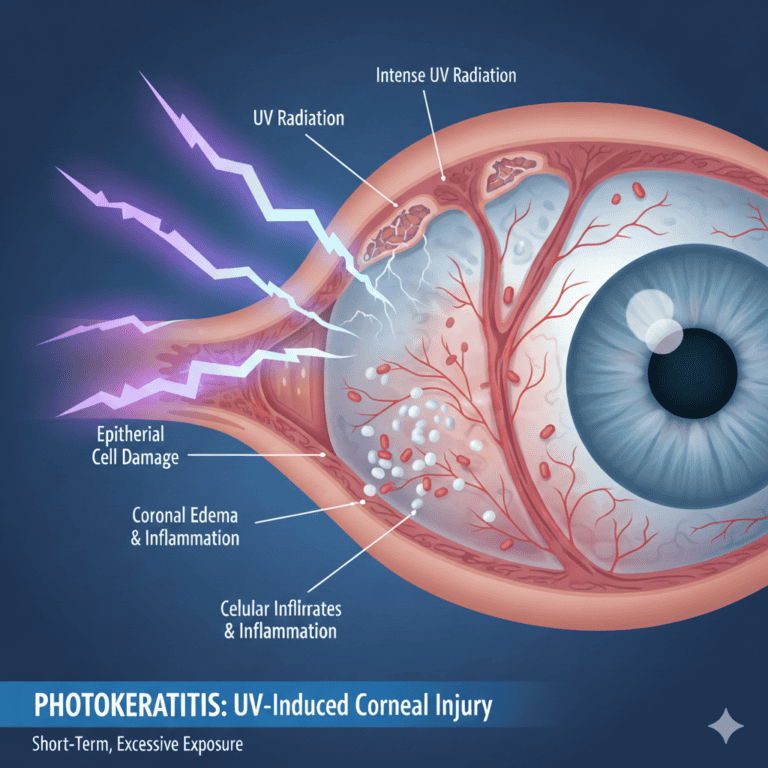
The ultraviolet (UV) exposure, UV protection for the eyes, sun-related eye damage, UV blocking sunglasses, and long term eye health are all closely connected topics that deserve more attention, especially for patients living active lives in New York City. Most people understand the importance of protecting their skin from the sun, but the eyes are often overlooked. Research over decades has shown that cumulative UV exposure can cause both immediate and long term damage to delicate ocular tissues, which is why consistent eye protection is essential for lifelong vision care.
Sunlight emits ultraviolet radiation in two primary forms relevant to eye health: UV-A and UV-B. These wavelengths are invisible to the human eye, but they penetrate ocular structures and trigger biological changes at the cellular level. Unlike the skin, the eye has limited natural defenses against UV radiation, which makes it particularly vulnerable during prolonged or repeated exposure. The cornea and conjunctiva absorb much of the incoming UV radiation, but a significant portion also reaches the crystalline lens. Over time, this exposure contributes to oxidative stress, DNA damage, and tissue degeneration. Importantly, UV damage is cumulative, meaning the effects add up gradually across a lifetime rather than appearing only after extreme exposure events. For some people, daily sun exposure may not feel intense, but reflective urban surfaces such as glass, pavement, and water can increase ambient UV levels even on overcast days. This makes everyday UV protection for eyes just as important as protection during vacations or outdoor sports.
Acute UV Eye Injuries: Photokeratitis
One of the most immediate consequences of intense UV exposure is photokeratitis. Often described as a “sunburn of the eye,” photokeratitis occurs when the corneal epithelium is damaged by excessive UV radiation over a short period. This condition is especially common in environments with high reflectivity, such as snowy landscapes or bodies of water, but it can also occur during prolonged outdoor activities without proper eye protection. Symptoms of photokeratitis typically include severe eye pain, light sensitivity, tearing, redness, and the sensation of a foreign body in the eye. Although the condition is usually temporary, it can be extremely uncomfortable and disruptive. More importantly, repeated episodes may contribute to long term surface damage and increased sensitivity to light.
Chronic UV Exposure and Cataract Development
Cataracts remain one of the most extensively studied consequences of long term UV exposure. Clinical and epidemiological research consistently identifies UV-B radiation as a significant risk factor for cortical cataract formation. The crystalline lens absorbs UV radiation over time, leading to protein denaturation and structural changes that gradually cloud vision. Unlike acute injuries, cataracts develop slowly and painlessly, often over decades. Patients may not recognize the role sun exposure played in their diagnosis, but lifetime UV exposure has been shown to correlate strongly with cataract prevalence. This is particularly relevant for individuals who spend significant time outdoors for work or recreation without adequate eye protection. Population studies demonstrate that individuals who regularly practice UV protection for eyes such as wearing UV blocking sunglasses have a lower incidence of cataract development. From a public health perspective, this positions eye protection as a simple yet powerful preventive strategy.
Pterygium and Other UV-Related Growths
Chronic UV exposure is also linked to pterygium, a noncancerous growth of conjunctival tissue that extends onto the cornea. While often dismissed as a cosmetic issue, pterygium can cause chronic irritation, dryness, and in advanced cases, visual distortion.
Research shows that UV radiation stimulates abnormal tissue growth and inflammatory responses on the ocular surface. These growths are more common in individuals with long term sun exposure and limited protective behaviors. Although pterygium is treatable, prevention remains the best approach.
UV Exposure and Retinal Health
Although the cornea and lens absorb most UV radiation, some wavelengths contribute indirectly to retinal damage through oxidative stress. Research suggests that cumulative UV exposure may play a role in increasing the risk of age related macular degeneration by promoting cellular stress in retinal tissues. While macular degeneration is multifactorial, UV exposure represents one modifiable risk factor. Protecting the eyes from UV radiation may therefore support long term retinal health, particularly as patients age.
Epidemiology and Public Health Impact
From a population health standpoint, the burden of UV related eye disease is substantial. Global health organizations estimate that a significant percentage of cataract cases worldwide could be prevented through reduced UV exposure alone. These findings emphasize that UV protection for eyes is not merely a lifestyle choice, but a significant preventive health measure. Studies also reveal disparities in protective behaviors. Younger individuals, in particular, often underestimate their risk and are less likely to wear UV blocking eyewear consistently. This gap between knowledge and practice highlights the importance of patient education by eye care professionals. In a fast paced city like New York City, convenience often dictates behavior. Encouraging simple, habitual protective measures, such as keeping sunglasses readily available can make a meaningful difference over time.
Evidence-Based UV Protection for Eyes
1.Sunglasses and UV-Blocking Lenses
Sunglasses remain the cornerstone of UV eye protection. Research confirms that lenses labeled as providing 100% UV-A and UV-B protection significantly reduce the amount of harmful radiation reaching ocular tissues. Importantly, lens darkness does not equal UV protection; only properly rated lenses offer reliable defense.
Wraparound designs and sunglasses with side shields provide enhanced coverage by limiting peripheral UV exposure. This design consideration is particularly valuable in bright urban environments where reflected light approaches the eye from multiple angles.
2. UV Protective Contact Lenses
UV filtering contact lenses offer an additional layer of protection by absorbing UV radiation before it reaches the cornea and lens. While they do not replace sunglasses since they do not cover the entire eye area, they can complement external eyewear, especially for individuals who spend extended time outdoors.
3. Hats and Behavioral Strategies
Broad-brimmed hats further reduce UV exposure by shading the eyes and face. When combined with sunglasses, hats significantly lower overall ocular UV dose. Behavioral practices such as seeking shade and avoiding peak midday sun also reduce cumulative exposure and are widely endorsed in public health guidance.
Clinical Evidence and Histopathological Findings
Laboratory and histopathological studies provide strong biological evidence for UV-induced eye damage. These studies demonstrate structural changes in corneal epithelial cells, oxidative injury in lens fibers, and tissue alterations consistent with cataractogenesis. Such findings reinforce what clinicians observe in practice: UV damage is real, progressive, and preventable. Despite clear evidence, awareness of UV eye risks remains inconsistent. Many patients associate sun protection only with skin cancer prevention and underestimate the vulnerability of their eyes. Eye care professionals play a crucial role in closing this gap by educating patients about the long-term consequences of unprotected exposure and the simplicity of preventive measures.
In New York, where patients are often on the move, emphasizing convenient, stylish, and effective UV protective options can improve adherence and long term outcomes.
Key Takeaways for Long-Term Eye Health
Protecting your eyes from UV radiation is an investment in lifelong vision. From reducing the risk of cataracts and surface growths to supporting retinal health, consistent UV protection for eyes offers measurable benefits backed by decades of research. Whether through high quality sunglasses, UV-filtering contact lenses, or simple behavioral changes, prevention remains far easier than treatment.
Call 800-936-0036 or schedule your appointment at Compton Eye Associates in Manhattan today.
UV Eye Damage: Frequently Asked Questions
1. How does UV radiation damage the eyes over time?
UV radiation penetrates eye tissues and causes cellular damage. Over time, this leads to conditions like cataracts, pterygium, and surface irritation. The damage is cumulative and often goes unnoticed for years.
2. Do all sunglasses protect against UV damage?
No. Only sunglasses labeled with 100% UV-A and UV-B protection block harmful rays. Dark lenses without UV ratings can actually increase risk by causing pupil dilation.
3. What’s the easiest way to reduce long-term UV eye damage?
Wear UV-blocking sunglasses every day outdoors. Add a wide-brimmed hat when possible. These simple habits greatly reduce lifetime UV exposure.