Why Eye Allergies Are So Bad This Year
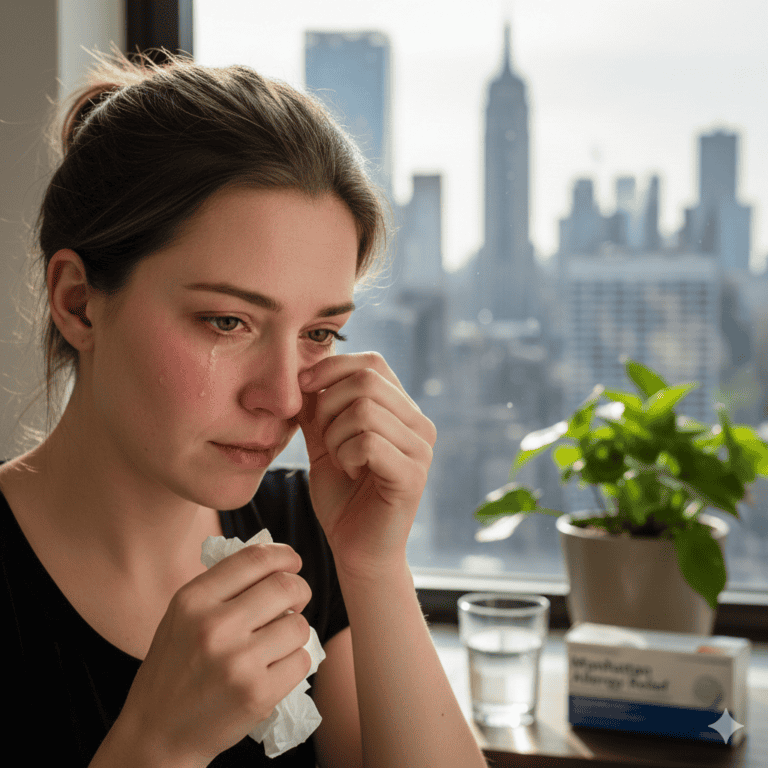
Spring has arrived, and because of it, an intense wave of eye allergies is happening. Itchy eyes, red eyes, swollen lids, and persistent tearing affecting residents across New York City. Most of the patients are reporting that symptoms are beginning earlier, lasting longer, and feeling more severe than in previous years. This year’s heightened irritation is tied to longer pollen seasons, increased pollen counts, and environmental factors unique to NYC. Understanding why symptoms are worsening can help you protect your eyes and stay comfortable throughout the season. If you feel like your eyes are more irritated than usual this year, you’re not alone. Clinics and eye care centers are seeing a noticeable uptick in patients seeking relief. Research even shows that several overlapping environmental trends are contributing to the surge in ocular allergy symptoms.
One of the most significant factors is the documented rise in airborne pollen levels across New York City. Columbia University ophthalmologists reported that NYC eye allergy visits have increased this year, with many patients experiencing earlier symptom onset than expected. According to their clinicians, warmer winter temperatures and longer growing seasons are two reasons pollen counts are so high. Oh my!
Warmer Winters Are Triggering an Earlier Start to Allergy Season
The past several years have shown a clear trend: New York City is warming earlier in the year. While this may feel pleasant during the winter months, it sets the stage for worsening allergy seasons.
Warmer winters cause trees to bloom sooner, which means pollen enters the air earlier than usual. Columbia University’s 2024 report explains that this early bloom is one of the driving forces behind increased eye irritation in New York City this spring. Patients often begin feeling itchy, gritty, or watery eyes weeks before the traditional start of allergy season.
This shift is not only inconvenient, it also exposes sensitive eyes to irritating allergens for a longer period of time throughout the year.
Longer Allergy Seasons Mean Prolonged Exposure to Pollen
Once pollen season begins, it now lasts much longer than it used to. The U.S. National Park Service notes that climate change is causing longer and more intense pollen seasons across the country, with the Northeast being one of the most affected regions.
Longer exposure means more opportunities for pollen to inflame the delicate tissues of your eyes. For many residents, this results in eye allergies that:
- Start earlier
- Peak higher
- Linger later into the year
This prolonged exposure makes symptoms feel more persistent and difficult to manage, especially for contact lens wearers or those with chronic dry eye.
Urban Heat Island Effect Intensifies Eye Allergies
Urban environments naturally trap heat, dense, compact, and full of concrete, is one of the strongest examples of the urban heat island effect in the country. Peer-reviewed research by Bilinska and colleagues (2024) highlights that this extra warmth can increase pollen production and worsen allergy symptoms in large cities.
Because it retains heat, pollen-producing plants receive signals to produce more allergens for a longer period. Heat islands can also elevate carbon dioxide levels in urban atmospheres, which further stimulates plants to release highly allergenic pollen.
This combination means the residents are surrounded by air that carries more irritating allergens than neighboring areas.
Higher CO₂ Levels Are Making Pollen More Allergenic
Not only is there more pollen in the air, but that pollen may also be more potent. Bilinska et al. (2024) report that elevated carbon dioxide levels driven by climate change cause plants to produce pollen that is more allergenic. This means even the same quantity of pollen can trigger more intense reactions, including redness, itching, burning sensations, and excessive tearing. For those already prone to allergies, this intensified pollen can push symptoms from manageable to severe.
Earlier Blooming, Higher Peaks, and Worse Symptoms: What the Studies Show
While New York City data captures what’s happening locally, scientific research across North America confirms the broader trend. A 2020 analysis by Barnes and colleagues found that warming climates lead to:
- Earlier pollen season onset
- Higher peak pollen concentrations
- Greater symptom severity, especially in urban populations
This matches what Manhattan residents are experiencing this year. Combine a longer season with higher pollen loads and stronger allergens, and it becomes clear why eye irritation feels so unrelenting.
What This Means for You: Understanding Your Eye Symptoms
Many patients experiencing worsening eye allergies this year report symptoms that overlap with other common eye conditions. Knowing what’s typical for allergies can help you recognize when it’s time to seek professional care. Common allergy-related symptoms include:
- Itchy eyes: One of the clearest indicators of allergies.
- Red or bloodshot eyes: Caused by inflammation of surface vessels.
- Watery eyes: Your body’s attempt to flush out allergens.
- Swelling: Particularly around the eyelids.
- Stringy discharge: Usually clear and not infectious.
If your symptoms include yellow discharge, significant pain, or vision changes, these may indicate an infection rather than allergies, and you should seek evaluation immediately.
How Residents Can Protect Their Eyes During High-Pollen Days
While the city’s environmental conditions make allergies hard to avoid entirely, there are several strategies that can reduce irritation and protect your eyes. Why not try these simple preventive steps. It might help! First is to try checking the pollen counts. Then wear wraparound sunglasses to reduce the exposure of your eyes. After spending time outdoors, take a shower and change your clothes. You can use artificial tears to rinse away allergens. Try it! Lastly, avoid rubbing your eyes! We all know it can worsen the inflammation. For many patients, these simple measures dramatically reduce symptom severity and frequency. You might be one of them.
If your symptoms persist despite home care, or if you experience discomfort that interferes with daily activities, an eye exam can help identify the cause and recommend targeted treatments. Prescription antihistamine drops, mast-cell stabilizer drops, and short-term anti-inflammatory therapies may bring relief when over-the-counter products are not enough.
Allergy symptoms also sometimes overlap with dry eye, blepharitis, and other conditions common in dense urban environments. A professional exam ensures you receive the correct diagnosis and the most effective treatment plan.
The Bottom Line: Eye Allergies Really Are Worse This Year
The rise of eye allergies isn’t imagined. Local data and scientific research confirm that this year’s symptoms are linked to earlier seasonal onset, higher pollen loads, stronger allergens, and environmental factors unique to New York City. With longer, more intense seasons becoming the norm, proactive eye care is essential for staying comfortable throughout the spring.
If you’re struggling with red, itchy, irritated eyes this year, you’re not alone, and help is available.
Call 800-936-0036 or schedule your appointment at Compton Eye Associates in Manhattan today.
FAQ – Why are eye allergies so bad this year?
- Why are eye allergies so bad this year?
Warmer winters and a longer growing season made trees bloom earlier. Higher pollen counts and more allergenic pollen worsen reactions. Urban heat and higher CO₂ in the city amplify the effect.
- What quick steps reduce eye allergy symptoms?
Check pollen forecasts daily. Wear wraparound sunglasses outdoors. Rinse eyes with lubricating drops, avoid rubbing, and shower after being outside.
- When should I see an eye doctor?
See a doctor if you have severe pain, vision changes, yellow discharge, or symptoms that don’t improve with home care. Prescription antihistamine or anti-inflammatory drops can help.